- If You Answer This Literally, You Might Sound Awkward
- What “Did You Eat?” REALLY Means
- Why Food Became a Greeting
- ❌ Common Mistakes Foreigners Make
- How to Answer Naturally (This Is What Matters)
- Real-Life Situations You’ll Actually Experience
- English vs Korean – A Key Difference
- Why This Matters More Than Grammar
- What Happens If You Use It Wrong?
- Conclusion
If You Answer This Literally, You Might Sound Awkward
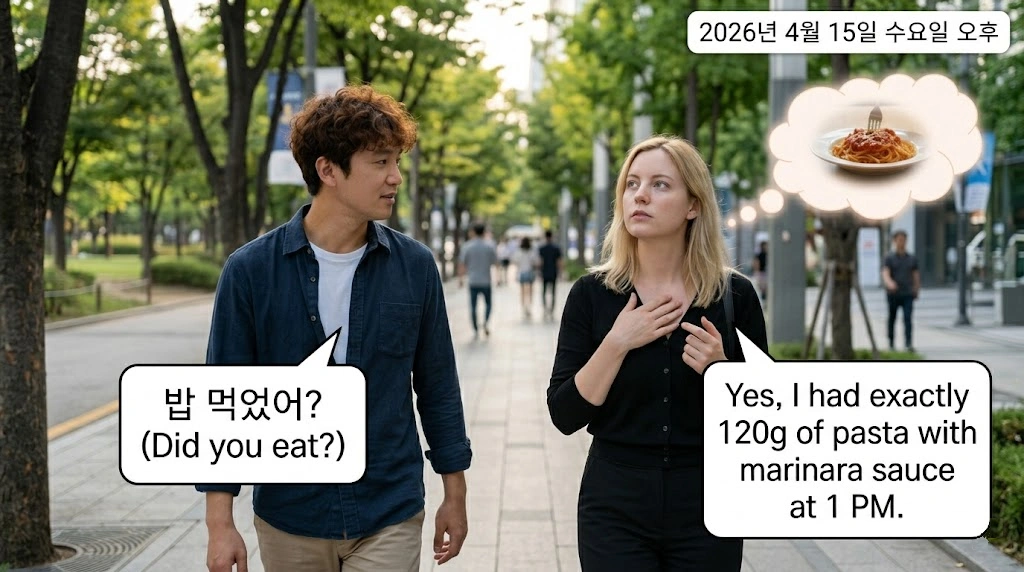
If someone in Korea asks you:
“Did you eat?”
and you answer:
“Yes, I had pasta at 1 PM.”
You’re not wrong —
but you might sound… a little off.
Why?
Because in Korea,
this question is usually not about food at all.
What “Did You Eat?” REALLY Means
In Korean, people often say:
- 밥 먹었어? (casual)
- 식사하셨어요? (polite)
But what they really mean is closer to:
- “How are you?”
- “Are you doing okay?”
- “Have you been taking care of yourself?”
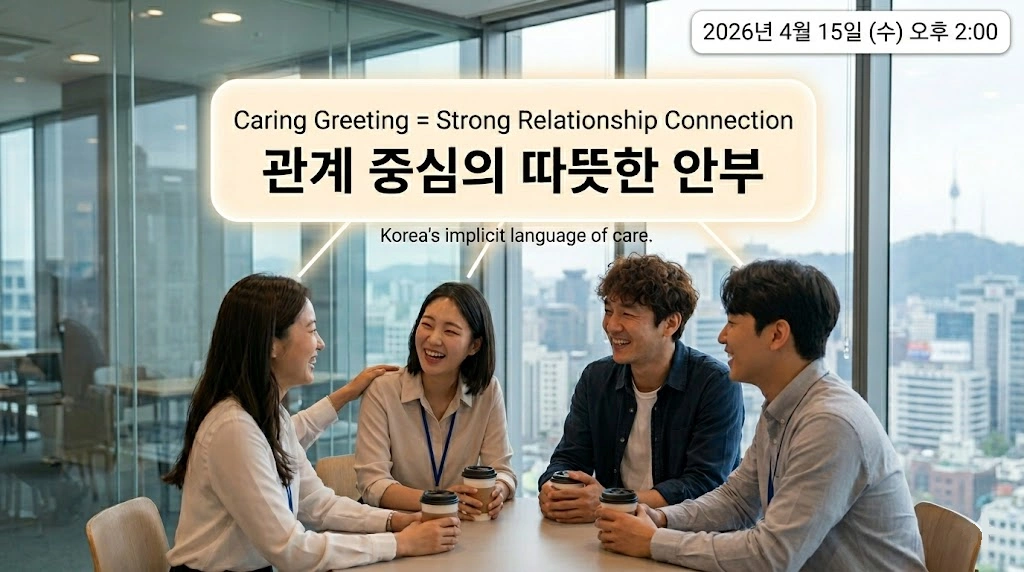
It’s a care-based greeting, not an information-based question.
Why Food Became a Greeting
To understand this, you need to understand Korean culture.
For a long time, Korea experienced hardship —
war, poverty, and food shortages.
Back then, asking:
“Did you eat?”
meant:
- “Did you survive today?”
- “Are you okay?”
Even today, that emotional meaning remains.
Food in Korea isn’t just nutrition —
it represents care, connection, and survival.
❌ Common Mistakes Foreigners Make
This is where many learners get confused.
Mistake 1: Giving too much detail
- “Yes, I ate chicken and salad at 12:30.”
▶ Too specific. Sounds unnatural.
Mistake 2: Taking it literally every time
- Thinking it’s always about hunger
▶ Most of the time, it’s just a greeting.
Mistake 3: Ignoring the question
▶ Can feel cold or distant in Korean culture
How to Answer Naturally (This Is What Matters)
Here’s what Koreans actually expect:
Simple and light answers
- “네, 먹었어요! OO님은요?”
- “아직요~ 조금 있다 먹으려고요”
- “네, 방금 먹었어요”
Keep it short
Turn it back to the other person

Real-Life Situations You’ll Actually Experience
1. Meeting a friend
“밥 먹었어?”
▶ Just a casual “hey”
You don’t need a serious answer.
2. At work (very common)
“식사하셨어요?”
▶ This is almost like saying
“Hope you’re doing well today”
3. Someone messages you after a long time
“밥은 잘 챙겨 먹고 있어?”
▶ This actually means:
- “Are you okay these days?”
- “Are you taking care of yourself?”
4. Someone older asking you
▶ Not just politeness
▶ It’s genuine concern
5. When you’re sick or stressed
▶ This question becomes more emotional
▶ Almost like “I’m worried about you”
English vs Korean – A Key Difference
| English | Korean |
|---|---|
| How are you? | Did you eat? |
| Information-based | Emotion-based |
| Direct | Indirect |
| Optional follow-up | Implies care automatically |
▶ This is why translations don’t always work perfectly.
Why This Matters More Than Grammar
You can know perfect Korean grammar,
but still sound awkward if you miss this.
Because Korean communication is:
- relationship-focused
- emotion-driven
- context-based
Understanding this one phrase
helps you understand how Korean people connect.
What Happens If You Use It Wrong?
If you:
- answer too seriously → awkward
- ignore it → cold impression
- misunderstand it → miss the emotional context
▶ You don’t sound rude
▶ But you don’t sound “natural” either
Conclusion
“Did you eat?” is not about food.
It’s about:
- care
- connection
- emotional awareness
Once you understand this,
you’re no longer just translating Korean —
You’re thinking like a Korean speaker.