
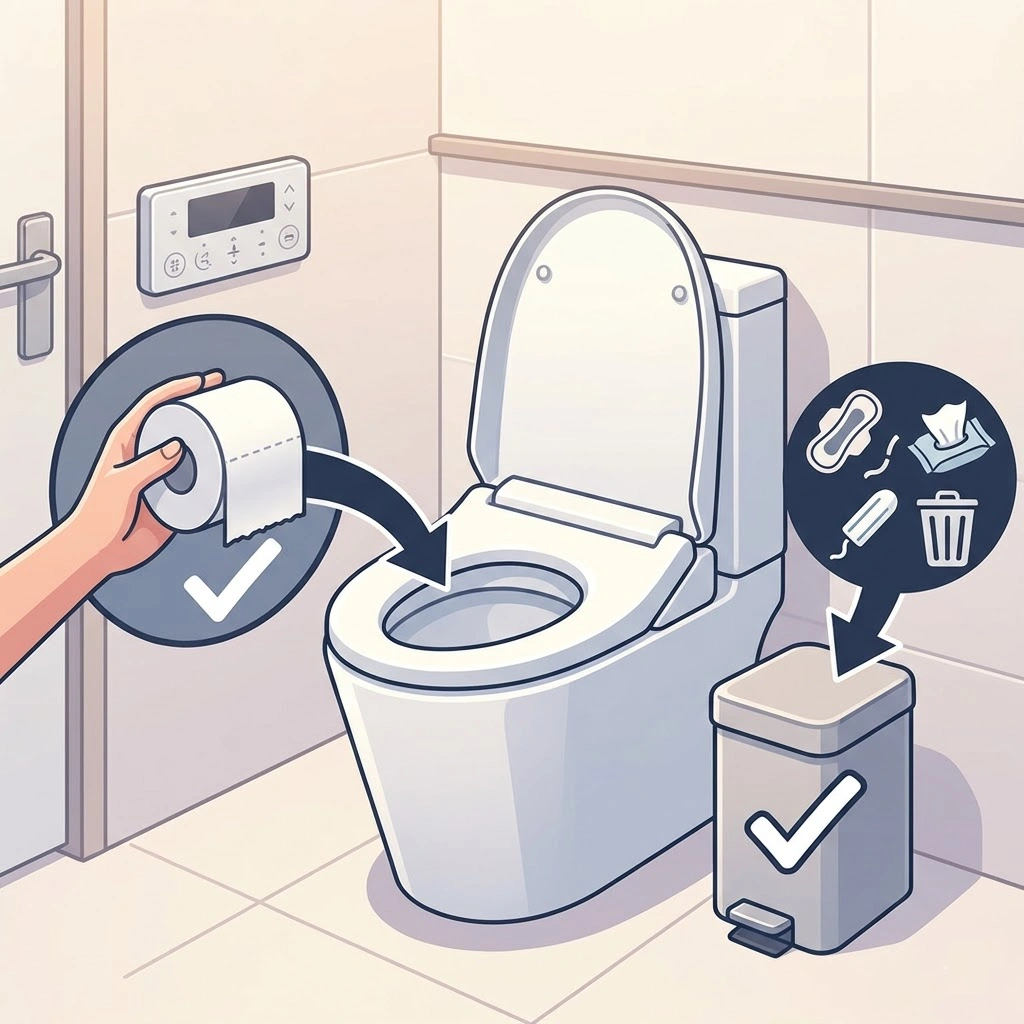
Korea Bathroom Rules for Tourists – Toilet Paper, Trash Bins & What to Know
Visiting Korea for the first time? Learn how public bathrooms work, when to flush toilet paper, when to use the trash bin, and other practical restroom tips for travelers.

Essential travel tips for visiting Korea, including transportation, cultural etiquette, useful phrases, and practical advice for a smoother trip.
Visiting Korea for the first time? Learn how public bathrooms work, when to flush toilet paper, when to use the trash bin, and other practical restroom tips for travelers.
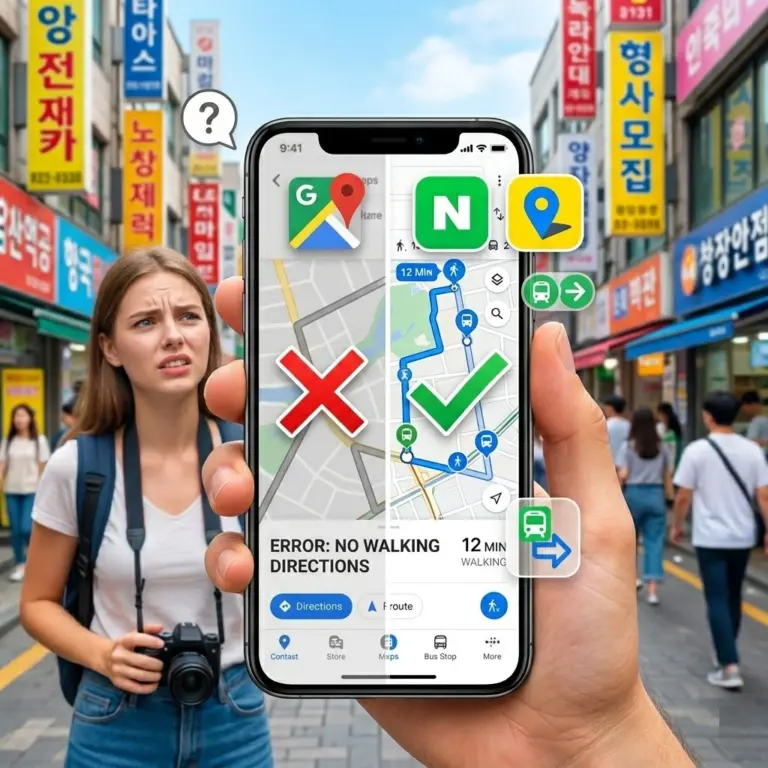
Google Maps in Korea can be unreliable for directions. Learn what works, what does not, and which apps tourists should use instead for smoother travel.
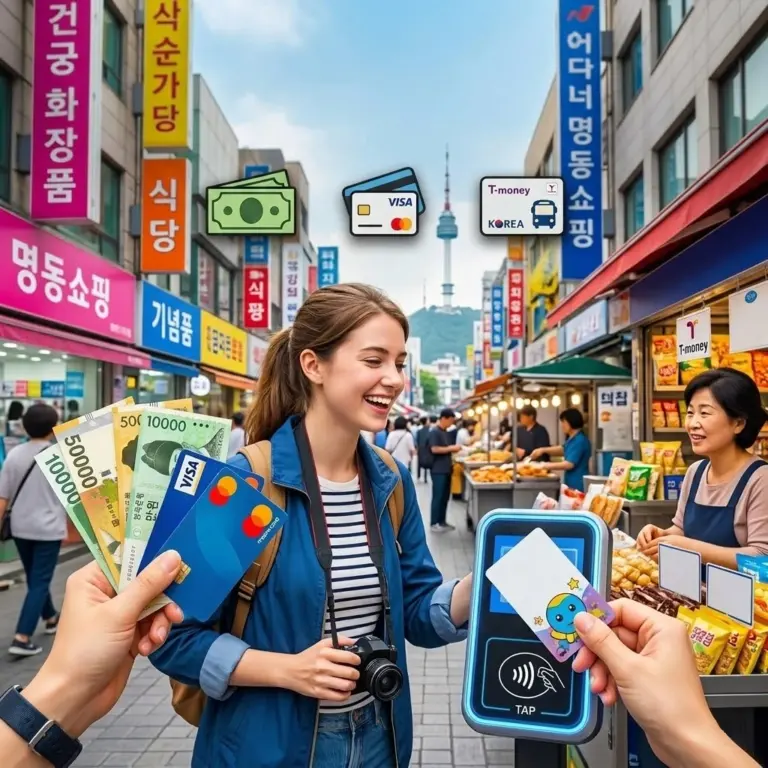
Wondering how to pay in Korea as a tourist? Learn when to use cash, cards, T-money, and mobile payments so you can avoid common travel mistakes.

Confused when Koreans ask “Did you eat?” Learn what it really means, when to use it, and how to respond naturally in real situations.
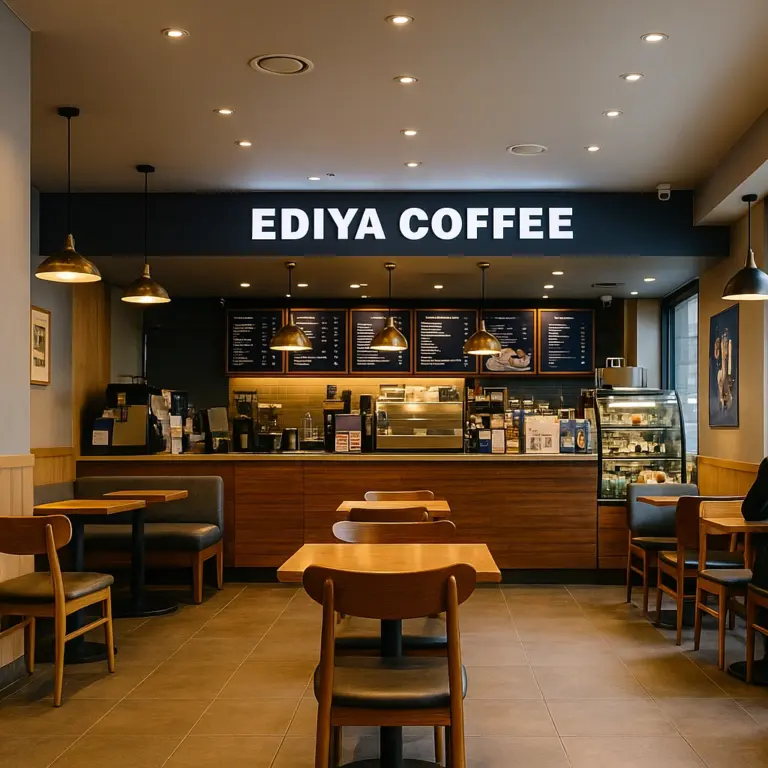
Visiting Korea? You’ve definitely walked past Ediya Coffee
Walk down almost any street in Korea and you’ll spot a blue sign with crisp white letters: EDIYA COFFEE. At first glance, it might seem like just another franchise. But look again. That shop might be your best coffee break decision in Korea.
In this post, we’ll explore why Ediya Coffee is far from average — and why it should be on every traveler’s must-try list. Affordable, accessible, and uniquely Korean, this franchise is as local as kimchi and K-pop.
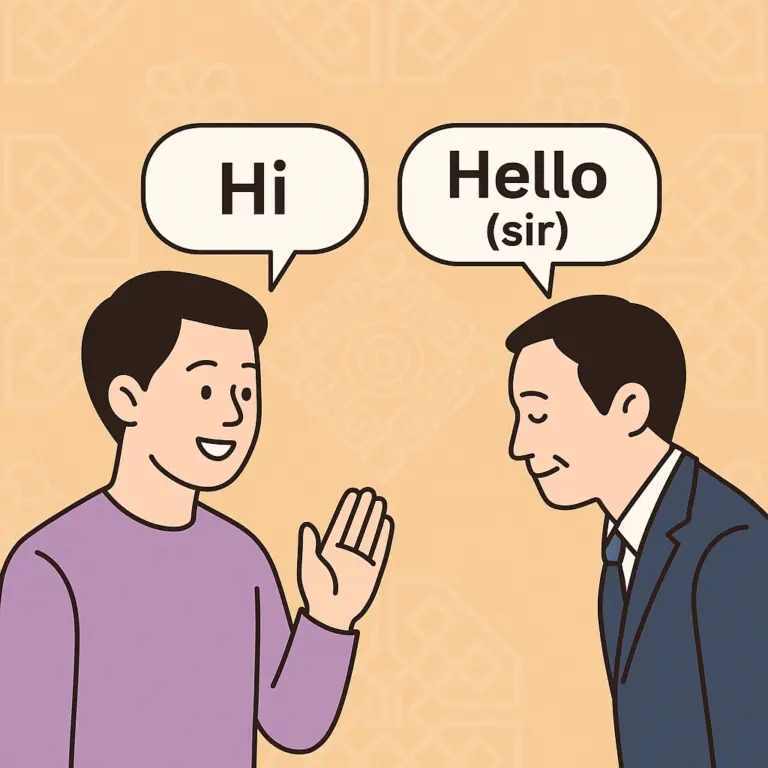
When learning Korean, the first real challenge isn’t grammar or vocabulary.
It’s realizing that the way you end a sentence can completely change how people see you.
Korean has two major speaking styles: banmal (informal speech) and jondaetmal (formal/polite speech).
At a glance, they might seem like small differences—just a few syllables at the end of a sentence.
But in Korean culture, those syllables signal respect, closeness, and even social status.