
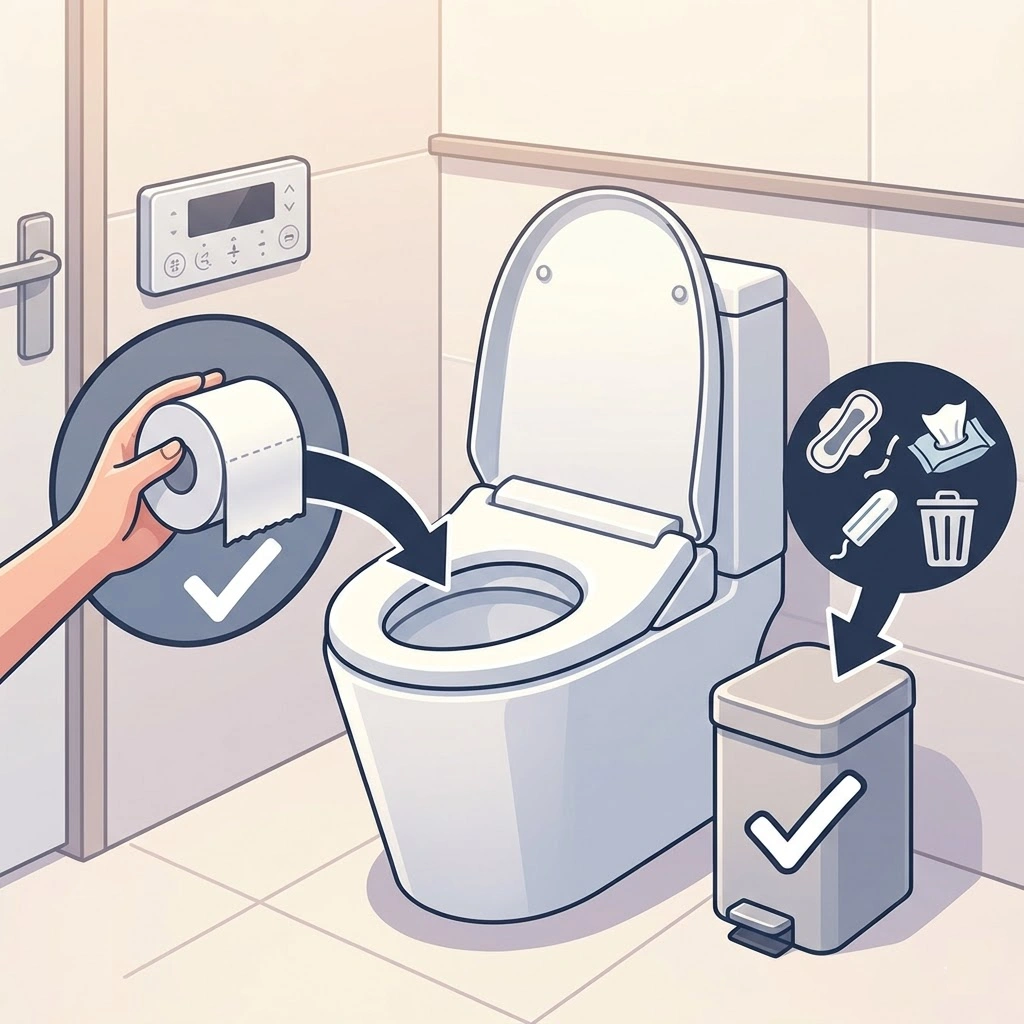
Korea Bathroom Rules for Tourists – Toilet Paper, Trash Bins & What to Know
Visiting Korea for the first time? Learn how public bathrooms work, when to flush toilet paper, when to use the trash bin, and other practical restroom tips for travelers.

Plan your Korea trip with practical guides to transport, payments, mobile connectivity, local customs and everyday travel essentials.
Visiting Korea for the first time? Learn how public bathrooms work, when to flush toilet paper, when to use the trash bin, and other practical restroom tips for travelers.
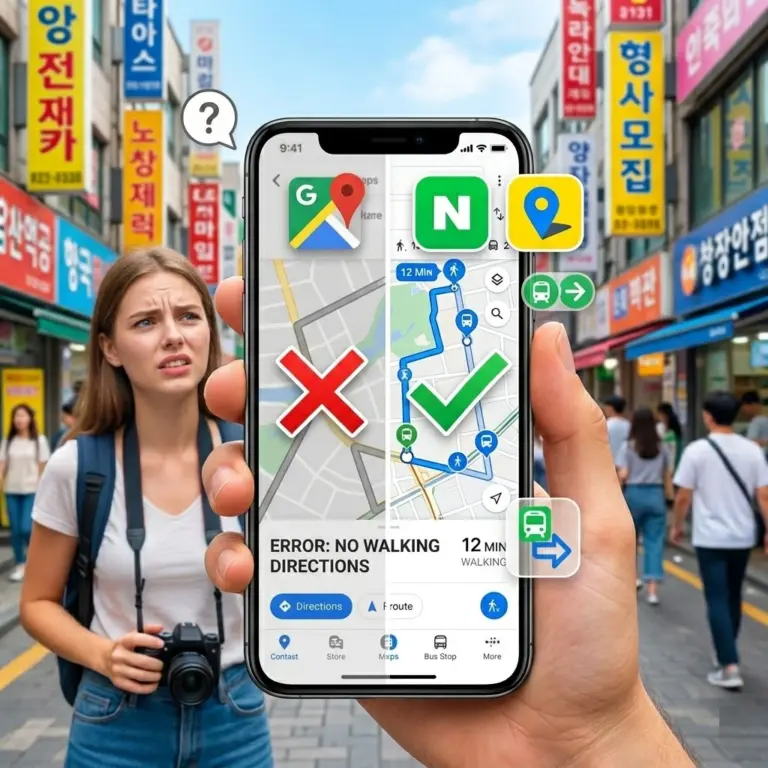
Google Maps in Korea can be unreliable for directions. Learn what works, what does not, and which apps tourists should use instead for smoother travel.
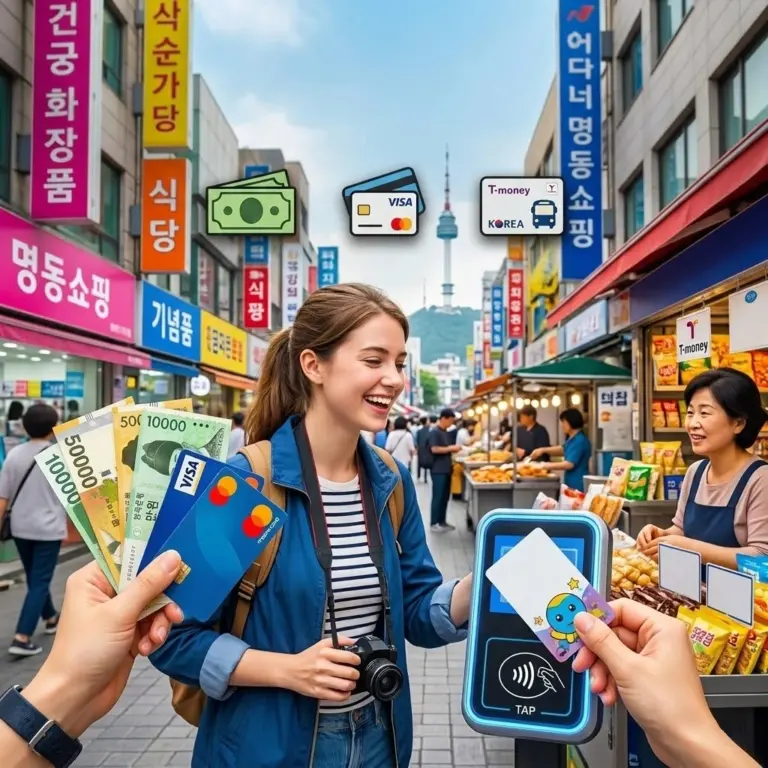
Wondering how to pay in Korea as a tourist? Learn when to use cash, cards, T-money, and mobile payments so you can avoid common travel mistakes.

Confused when Koreans ask “Did you eat?” Learn what it really means, when to use it, and how to respond naturally in real situations.
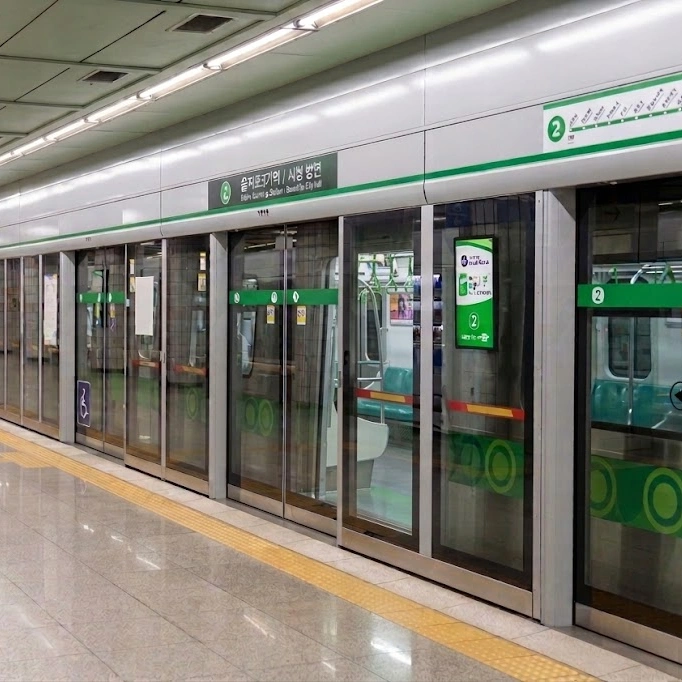
Seoul is one of the most convenient cities in the world when it comes to public transportation. However, for first-time visitors, the system can feel overwhelming at first. Multiple subway lines, color-coded buses, and unfamiliar payment methods often make simple travel seem complicated.
The good news is that once you understand a few key basics, getting around Seoul becomes incredibly easy. This guide will walk you through everything you need to know, from subway navigation to transportation cards and airport transfers, so you can travel confidently from day one.

Korea is easy to travel in — modern infrastructure, great food, and efficient transportation.
But what surprises many visitors is that there are subtle social rules that aren’t always explained.
Breaking them won’t get you in serious trouble, but it can lead to awkward situations or make you stand out immediately as a tourist.
This guide focuses on the most common cultural mistakes — and what to do instead.

If you’re visiting Seoul between April and June, you might think packing is easy — just bring spring clothes, right?
Not exactly.
Seoul’s weather during this period changes quickly throughout the day. You might step outside in the morning feeling cold, only to find yourself sweating by the afternoon. By evening, temperatures can drop again, especially near the Han River or in open areas.
This is why many first-time travelers either overpack or end up wearing the wrong outfits. This guide will walk you through exactly what to wear, based on real conditions and how people actually dress in Seoul.

Why Take the Train from Seoul to Busan?
Traveling from Seoul to Busan (≈325 km) is one of Korea’s classic routes. With KTX high-speed trains, the journey takes about 2.5–3 hours — usually faster door-to-door than flying, and far more comfortable than long-distance buses. If you’re planning a short trip or a spontaneous day out, trains make it simple: frequent departures, easy boarding, city-center to city-center.
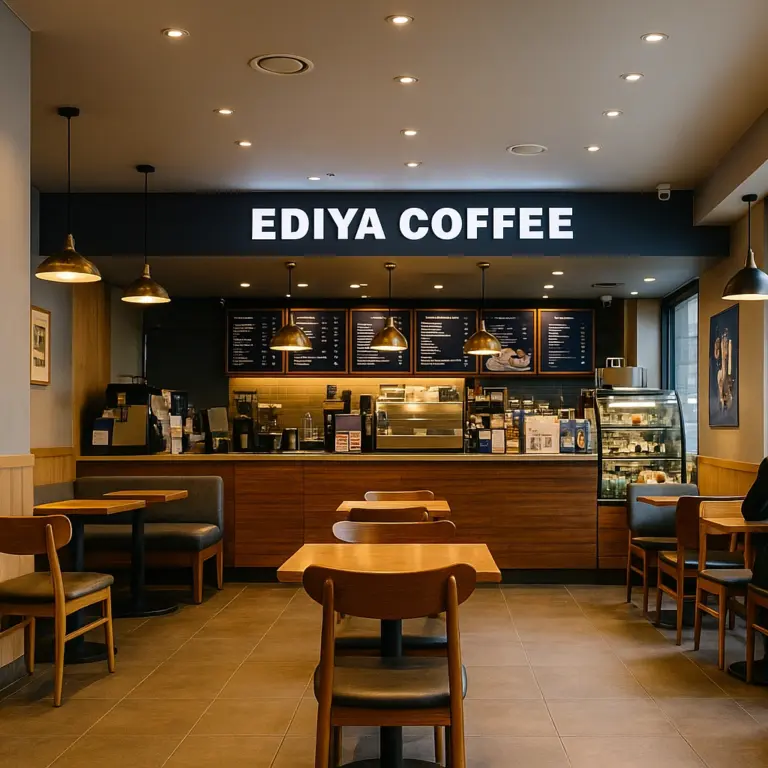
Visiting Korea? You’ve definitely walked past Ediya Coffee
Walk down almost any street in Korea and you’ll spot a blue sign with crisp white letters: EDIYA COFFEE. At first glance, it might seem like just another franchise. But look again. That shop might be your best coffee break decision in Korea.
In this post, we’ll explore why Ediya Coffee is far from average — and why it should be on every traveler’s must-try list. Affordable, accessible, and uniquely Korean, this franchise is as local as kimchi and K-pop.

When learning Korean, the first real challenge isn’t grammar or vocabulary.
It’s realizing that the way you end a sentence can completely change how people see you.
Korean has two major speaking styles: banmal (informal speech) and jondaetmal (formal/polite speech).
At a glance, they might seem like small differences—just a few syllables at the end of a sentence.
But in Korean culture, those syllables signal respect, closeness, and even social status.